System integrators and machine builders order frames, plates, brackets, fixtures and pneumatic or hydraulic parts for one-off and small-series machines. Fast quoting, consistent quality and complete kits help assembly teams.
Typical machined components
- Mounting plates and brackets
- Fixtures and nests
- Linear guide carriers
- Pneumatic and hydraulic manifolds
- Rollers and shafts
- Sensor brackets
Common materials
Materials · Material Equivalents
Manufacturing processes
Machining challenges
- Large variety of parts per project
- Flatness of plates after machining
- Dowel-pin accuracy for repeatable assembly
- Surface treatment of mixed materials
Dimensional requirements
Dowel holes H7, general tolerances ISO 2768-mK; flatness on mounting plates often specified.
Surface finish requirements
Ra 1.6–3.2 µm; anodised or nickel-plated finishes common.
Inspection requirements
Dimensional checks of fits and positions, kit-complete verification and labelling per BOM.
Relevant standards
| ISO 2768-1 / -2 | General tolerances for linear and angular dimensions (part 1: f, m, c, v) and for geometrical features without individual indications (part 2: H, K, L). Part 2 is being superseded by ISO 22081. |
| ISO 4413 / ISO 4414 | Safety rules for hydraulic (4413) and pneumatic (4414) fluid power systems. |
| ISO 286-1 / -2 | ISO code system for tolerances on linear sizes: standard tolerance grades (IT) and fundamental deviations for holes and shafts; basis of fits such as H7/g6. |
| ISO 13715 | Indication of edges of undefined shape: burr, sharp edge and undercut tolerances on drawings. |
| EU 2023/1230 (Machinery) | EU Machinery Regulation (replacing Directive 2006/42/EC from January 2027). |
Engineering considerations
- Standardise hole sizes and threads
- Mark kit numbers on drawings
- Avoid unnecessary tight tolerances
- Group surface treatments
Potential manufacturing solutions
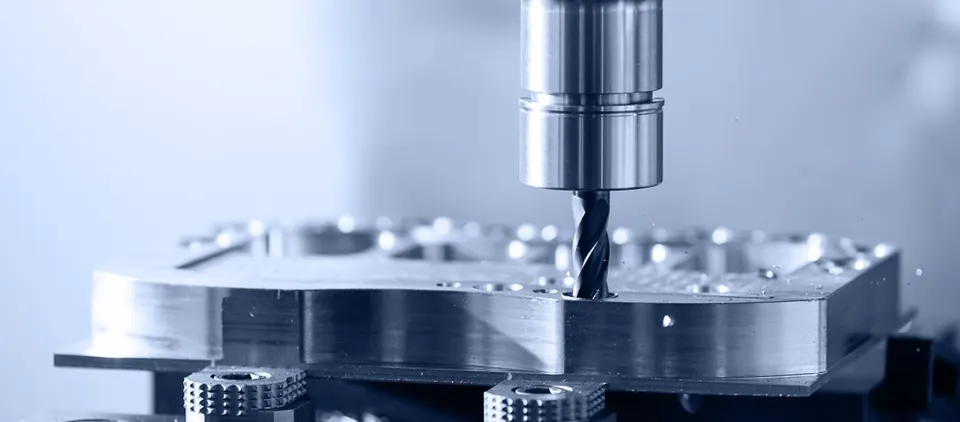
Milling and turning with kit-based delivery, surface treatment through partners and labelling per customer BOM.
Requirements depend on the specific part, drawing and customer specification. Sector approvals or certifications are not implied; where a project requires them, this is confirmed during the RFQ review.